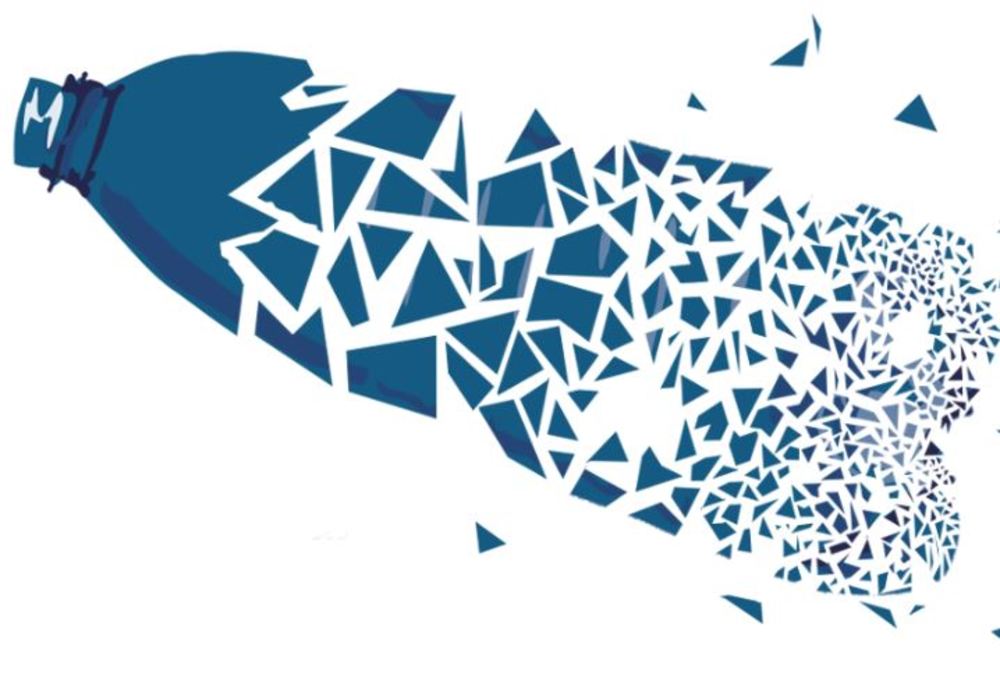
Microplastics Regulation: Detecting and Analyzing Microplastics for a Contamination-Free Future
Microplastics, these plastic particles measuring less than 5 millimeters in diameter, have infiltrated our environment on an alarming scale.
- Present in oceans, soils, air, and even in our food chain, they pose a serious threat to biodiversity and human health.
- Faced with this growing challenge, microplastics regulation has become a global priority.
- This article explores existing regulations as well as detection and analysis methods that help us understand and combat this invisible threat.
Microplastics Regulation: Why Conduct Analyses ?
Governments and international organizations now recognize the urgency of regulating microplastics.
- In 2020, the European Union adopted a set of measures banning certain single-use plastic products and imposing strict limits on microplastics in cosmetics and cleaning products.
- Similarly, other countries and regions around the world are adopting comparable standards to reduce plastic production and use.
- In 2022, the European Commission drafted a proposal on limiting microplastics dated August 30, 2022 (D083921/01).
- This recently published EU implementing legislation proposal includes almost all products containing microplastics: cosmetics and perfumes, biocides, recycled products.
- There are only a few exceptions: pharmaceutical products, for example, as well as in vitro diagnostics.
This means that many manufacturers will have to modify the composition of their products.
However, transitional periods must be planned for the implementation of these decisions.
This should give producers sufficient time to develop appropriate alternatives.
For example, a four-year transition period is planned for microplastics present in rinse-off cosmetic products, and five years for leave-on cosmetic products.
Nature and Origin of Microplastics
- Primary microplastics
These are found directly in their initial form in the environment due to their presence in certain hygiene and cosmetic products, detergents, synthetic textiles, paints, road markings, etc.
- Secondary microplastics
They result from the degradation or fragmentation of larger plastic items and can then potentially disperse into the environment.
Microplastics can be identified in materials and cosmetic products, plastics, toys, etc., depending on their nature:
- Acrylates copolymer, Acrylates crosspolymer
- Butylene/ethylene/styrene copolymer
- Ethylene/methacrylate copolymer
- Polymethyl Methacrylate, Polyacrylate, Polyethylene (PE), Polyquaternium
- Polyethylene Terephthalate (PET), Polypropylene (PP), Polystyrene (PS)
- Polytetrafluoroethylene
- Polyurethanes (PUR)
- Rubber particles
Detecting Microplastics: A Technological Challenge
- Fourier-transform infrared spectroscopy (FTIR) and Raman spectroscopy are two advanced techniques used to identify microplastics in environmental samples.
- Py-GCMS: Pyrolysis Gas Chromatography Mass Spectrometry to identify the matrix and co-polymers of microplastics
- Researchers use sophisticated analytical methods such as scanning electron microscopy (SEM) and high-performance liquid chromatography (HPLC) to study interactions between microplastics and living organisms.
- These methods, along with others available at OSE Services, allow researchers to characterize the chemical composition of particles, helping to determine their origin.
Analyzing Microplastics : Understanding Their Impact
- Beyond detection, it is crucial to understand the impact of microplastics on ecosystems and human health.
- Thanks to these analyses, we can assess the biological, physical, and chemical effects of microplastics, helping to develop strategies to minimize their impact.
Future Perspectives: Toward a Microplastic-Free Future
- As regulations strengthen and detection and analysis techniques advance, we are moving toward a future where microplastics will no longer threaten our planet and our health.
- Ongoing efforts by governments, scientists, and civil society are essential to combat this invisible pollution.
By encouraging research and innovation, raising public awareness, and demanding robust environmental policies, we can hope for a world free of microplastics.
Microplastics regulation and technological advances in their detection and analysis are crucial steps toward a cleaner and more sustainable future. By combining global efforts to reduce plastic production, adopt strict regulations, and develop cutting-edge detection and analysis methods, we can hope to protect our planet from the invisible damage caused by microplastics. It is time to come together as a society to create a contamination-free future, where nature can thrive without the shadow of microplastics.
Contact our specialist Manon Bergez Lacoste
to discuss your challenges!